
Hormonal Imbalance in Adults: What’s Really Going On and How to Rebalance Naturally
Hormones are the body’s messaging system. They regulate everything from energy and metabolism to mood, libido, body composition, and cognitive function. When they’re in balance, you feel like yourself. When they’re off, even slightly, everything feels harder than it should.
Hormonal imbalances are far more common in American adults than most people realize, and they’re increasingly occurring in people in their 30s and 40s rather than just later in life. Understanding what’s driving the shift is the first step toward addressing it.
The Hormones That Matter Most for Everyday Function
While the endocrine system involves dozens of hormones, several have outsized influence on how you feel day to day.
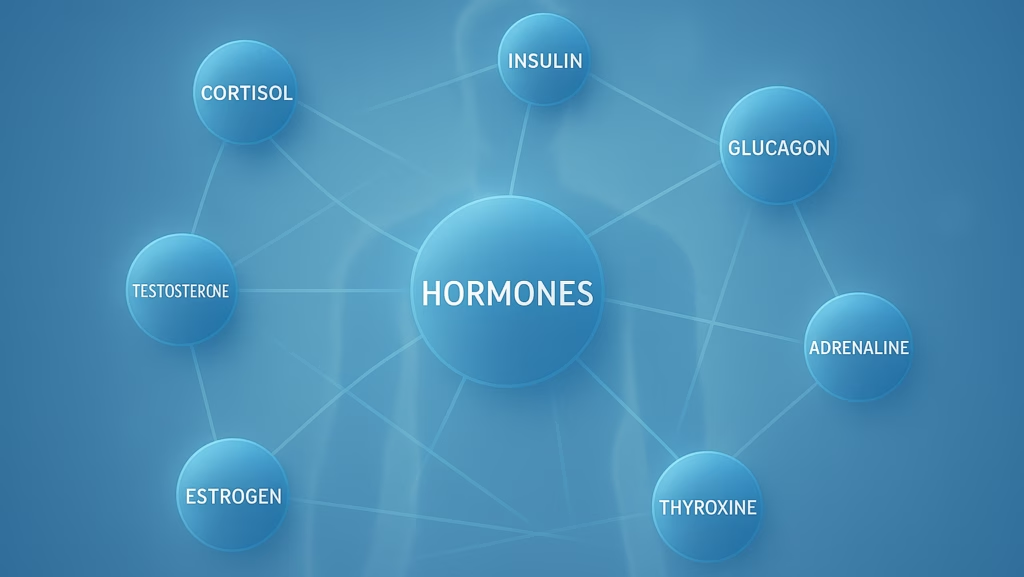
Cortisol
Regulates your stress response, blood sugar, immune function, and sleep-wake cycle. Chronic elevation or depletion is one of the most common and most disruptive hormonal patterns in modern adults.
Testosterone
Essential for both men and women, though at very different levels. In men, it drives muscle mass, libido, confidence, and motivation. In women, it supports bone density, energy, and sexual health. Average testosterone levels have been declining in Western populations for decades.
Estrogen and Progesterone
Govern the female reproductive cycle but also influence mood, bone health, sleep, and cardiovascular function. Imbalances between the two, particularly estrogen dominance, are increasingly common.
Thyroid Hormones (T3 and T4)
Control metabolic rate. Suboptimal thyroid function is among the most underdiagnosed conditions in the US, particularly in women over 35, and can cause fatigue, weight gain, depression, and brain fog even when standard lab tests read as “normal.”
Insulin
Manages blood sugar and fat storage. Insulin resistance, a pre-diabetic state, is estimated to affect nearly 38% of American adults, based on national prediabetes prevalence data.[1] It drives weight gain, energy crashes, inflammation, and hormonal disruption across the board.
Why Hormonal Imbalances Are Increasing
The drivers are largely environmental and lifestyle-based.
- Declining testosterone: A landmark longitudinal study of American men found a population-level decline in testosterone levels independent of normal aging, suggesting that lifestyle and environmental factors are actively suppressing testosterone across generations.[2]
- Chronic stress keeps cortisol elevated, which suppresses sex hormone production, impairs thyroid function, and creates insulin resistance over time.
- Endocrine disruptors found in plastics (BPA, phthalates), pesticides, and personal care products mimic or block hormones at the receptor level, disrupting signaling even when hormone production is normal.
- Nutritional deficiencies in zinc, magnesium, vitamin D, and omega-3 fatty acids impair hormone synthesis and receptor sensitivity.
- Poor sleep reduces growth hormone and testosterone secretion, both of which require adequate deep sleep to produce.
- Excess body fat, particularly visceral fat, increases the aromatization of testosterone into estrogen in both men and women, compounding imbalances.
Natural Approaches to Hormonal Support
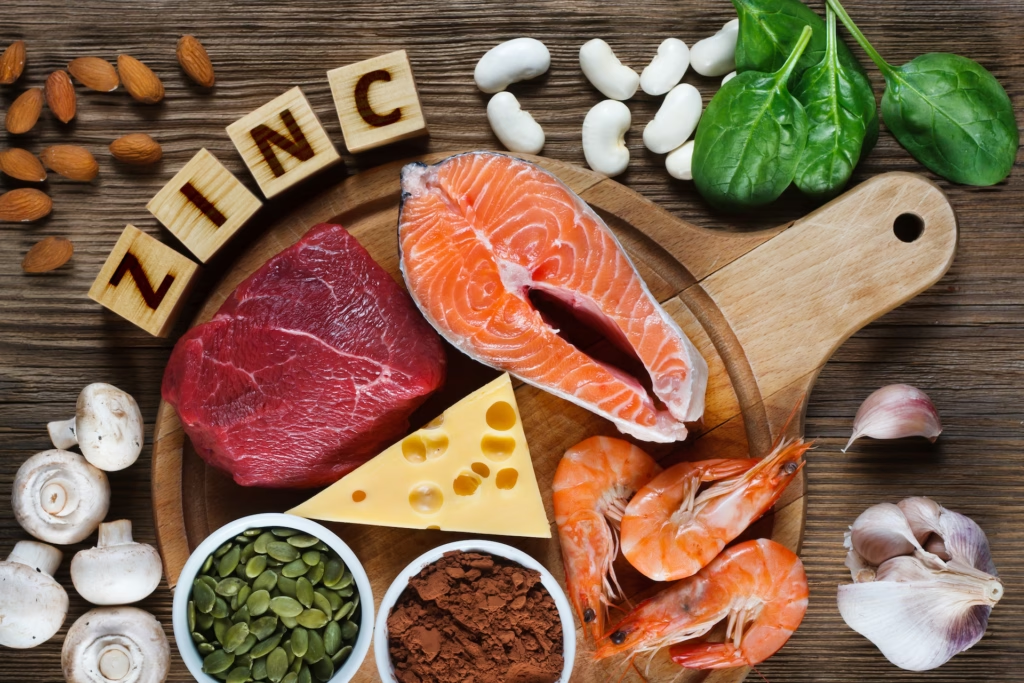
Zinc
Essential for testosterone production in men and progesterone synthesis in women. It’s also a key cofactor in thyroid hormone conversion. Zinc deficiency is one of the most direct nutritional causes of low testosterone.
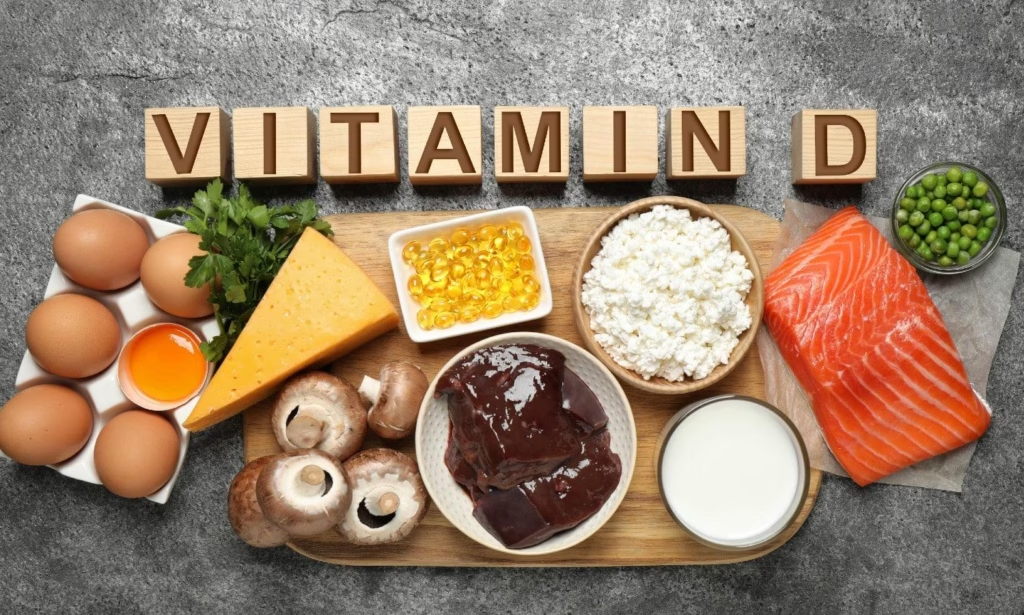
Vitamin D
Functions more like a hormone than a vitamin. Receptors for vitamin D are found throughout the endocrine system, and deficiency is directly linked to low testosterone, thyroid dysfunction, and insulin resistance.
DIM (Diindolylmethane)
A compound derived from cruciferous vegetables that supports healthy estrogen metabolism. Clinical research shows it modulates estrogen metabolite ratios, making it particularly relevant for estrogen dominance and for men experiencing high estrogen conversion.[3]
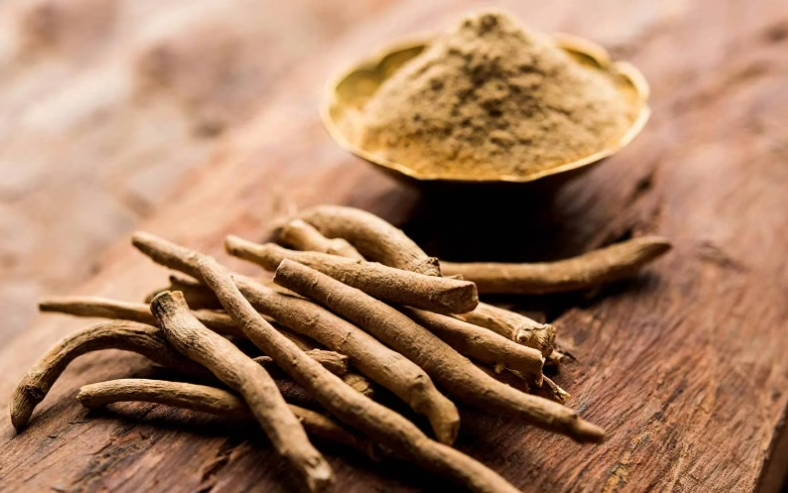
Ashwagandha
Has clinical evidence for increasing testosterone in men experiencing chronic stress by reducing cortisol, which otherwise suppresses testosterone production through the HPA-HPG axis.
Maca Root
Has long been used for hormonal balance and libido in both men and women. While research is still developing, several trials show improvements in energy, mood, and sexual function.

When to Seek Testing
If you consistently experience fatigue, weight changes you can’t explain, mood instability, low libido, brain fog, or irregular cycles, comprehensive hormonal testing is worth pursuing. Standard annual bloodwork often misses subclinical imbalances. Ask specifically for free testosterone, DHEA-S, free T3/T4, fasting insulin, and a full cortisol panel.
Frequently Asked Questions
What are the signs of hormonal imbalance in adults?
Common signs include unexplained fatigue, mood swings, weight gain (particularly around the midsection), low libido, difficulty sleeping, brain fog, hair thinning, and irregular menstrual cycles in women. These symptoms often overlap, making hormonal imbalance easy to miss without testing.
Can diet and supplements fix hormonal imbalances?
For many adults, yes, particularly when imbalances are driven by nutritional deficiencies, chronic stress, or lifestyle factors. Severe hormonal disorders may require medical intervention, but subclinical imbalances often respond well to targeted supplementation, stress management, and dietary changes.
What causes low testosterone in men?
Common causes include chronic stress and elevated cortisol, poor sleep, zinc and vitamin D deficiency, excess body fat, sedentary lifestyle, and endocrine-disrupting chemical exposure. Age-related decline typically begins in the mid-30s, but the rate of decline varies significantly based on lifestyle.
What is estrogen dominance?
Estrogen dominance is a relative excess of estrogen compared to progesterone, even when estrogen levels are within normal range. It’s associated with weight gain, bloating, mood swings, heavy periods, and low libido in women. In men, elevated estrogen (often from testosterone aromatization) causes fatigue, low libido, and breast tissue development.
Does stress affect hormones?
Profoundly. Chronic stress elevates cortisol, which directly suppresses testosterone, impairs thyroid conversion, disrupts estrogen-progesterone balance, and promotes insulin resistance. Addressing the stress response is often the most impactful single intervention for hormonal rebalancing.
Mark Wealth’s personalized supplement plans include hormonal support built around your specific profile, not a generic formula. Take the quiz to discover what your body needs.
References:
- Centers for Disease Control and Prevention. National Diabetes Statistics Report, 2022. US Department of Health and Human Services; 2022.
- Travison TG, Araujo AB, O’Donnell AB, Kupelian V, McKinlay JB. A population-level decline in serum testosterone levels in American men. Journal of Clinical Endocrinology & Metabolism. 2007;92(1):196–202. doi:10.1210/jc.2006-1375
- Rajoria S, Suriano R, Parmar PS, et al. 3,3’-diindolylmethane modulates estrogen metabolism in patients with thyroid proliferative disease: a pilot study. Thyroid. 2011;21(3):299–304. oi:10.1089/thy.2010.0245
Was the article useful?
Thank you for your feedback!