
PMS Is Not Normal: What Your Premenstrual Symptoms Are Telling You About Your Hormones
- Trending
PMS has been so normalized in conversation that most women treat it as an unavoidable feature of having a cycle rather than a signal worth investigating. Mood swings, bloating, cramps, breast tenderness, fatigue, and irritability in the days before a period are common, but common is not the same as inevitable or acceptable. These symptoms are messages from your hormonal system indicating that something in the luteal phase is out of balance. Understanding what that imbalance is changes what you can do about it.
The Luteal Phase and Hormonal Imbalance
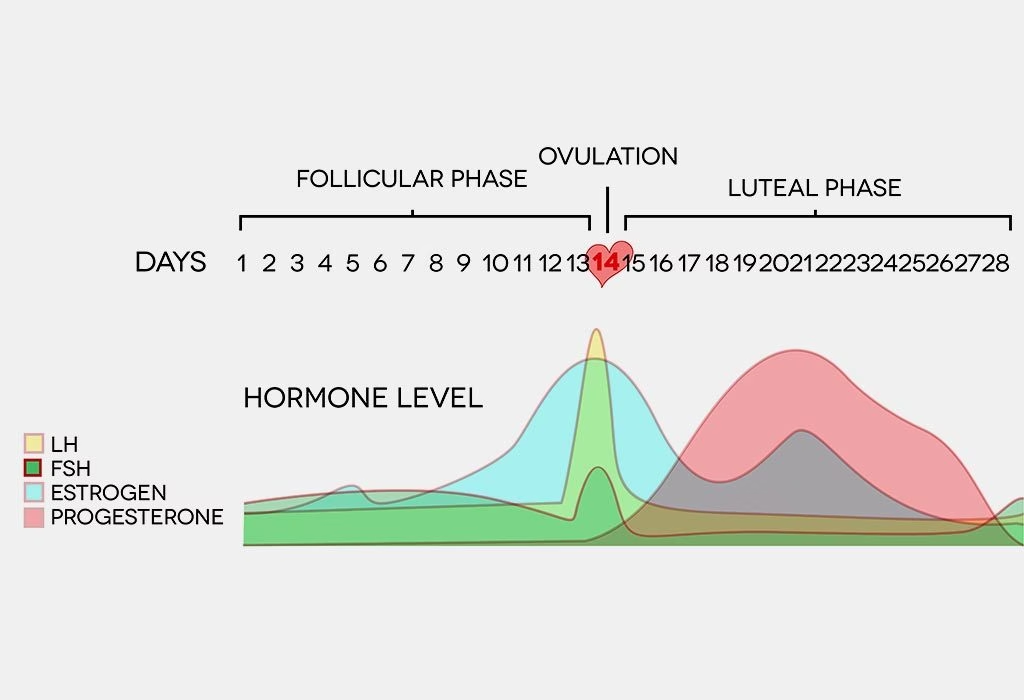
The luteal phase begins after ovulation, roughly day 14-16 of a typical cycle, and lasts until menstruation. During this phase, progesterone rises sharply to prepare the uterine lining for possible implantation. In a well-functioning cycle, progesterone provides a calming, stabilizing effect.
The Problem
The problem arises when progesterone is insufficient relative to estrogen, a state called estrogen dominance, or when progesterone itself is simply too low. Without adequate progesterone, the serotonin-stabilizing effect it normally provides disappears, estrogen’s proliferative effects go unchecked, and the luteal phase becomes a window of hormonal instability. The result is the cluster of symptoms most women have been told to simply manage.
What Drives Luteal Phase Instability
Several interconnected factors drive PMS and hormones out of balance during the luteal phase.
Chronic Stress
Cortisol and progesterone share a precursor called pregnenolone. When the body is in sustained stress mode, it prioritizes cortisol production at the expense of progesterone synthesis. This is why PMS consistently worsens during high-stress periods, even when diet and lifestyle are otherwise unchanged.
Nutritional Deficiencies
Three key nutrients are commonly depleted in women with significant PMS symptoms:
- Magnesium – essential for progesterone synthesis and rapidly depleted under stress
- Vitamin B6 – a cofactor in both progesterone production and serotonin metabolism
- Zinc – plays a role in ovulation quality, which directly affects luteal progesterone output
Poor Gut Health
The gut microbiome regulates estrogen recycling through enzymes that break down and clear excess estrogen. When this system is disrupted, estrogen dominance worsens, compounding the hormonal imbalance that drives PMS symptoms.
Evidence-Backed Interventions
The most effective interventions target root causes rather than masking symptoms.
Vitex Agnus-Castus (Chaste Tree Berry)
Vitex is the best-studied botanical for luteal phase support. A randomized trials found that women taking Vitex were 2.57 times more likely to achieve remission of PMS symptoms compared to those taking placebo.[1]
Magnesium
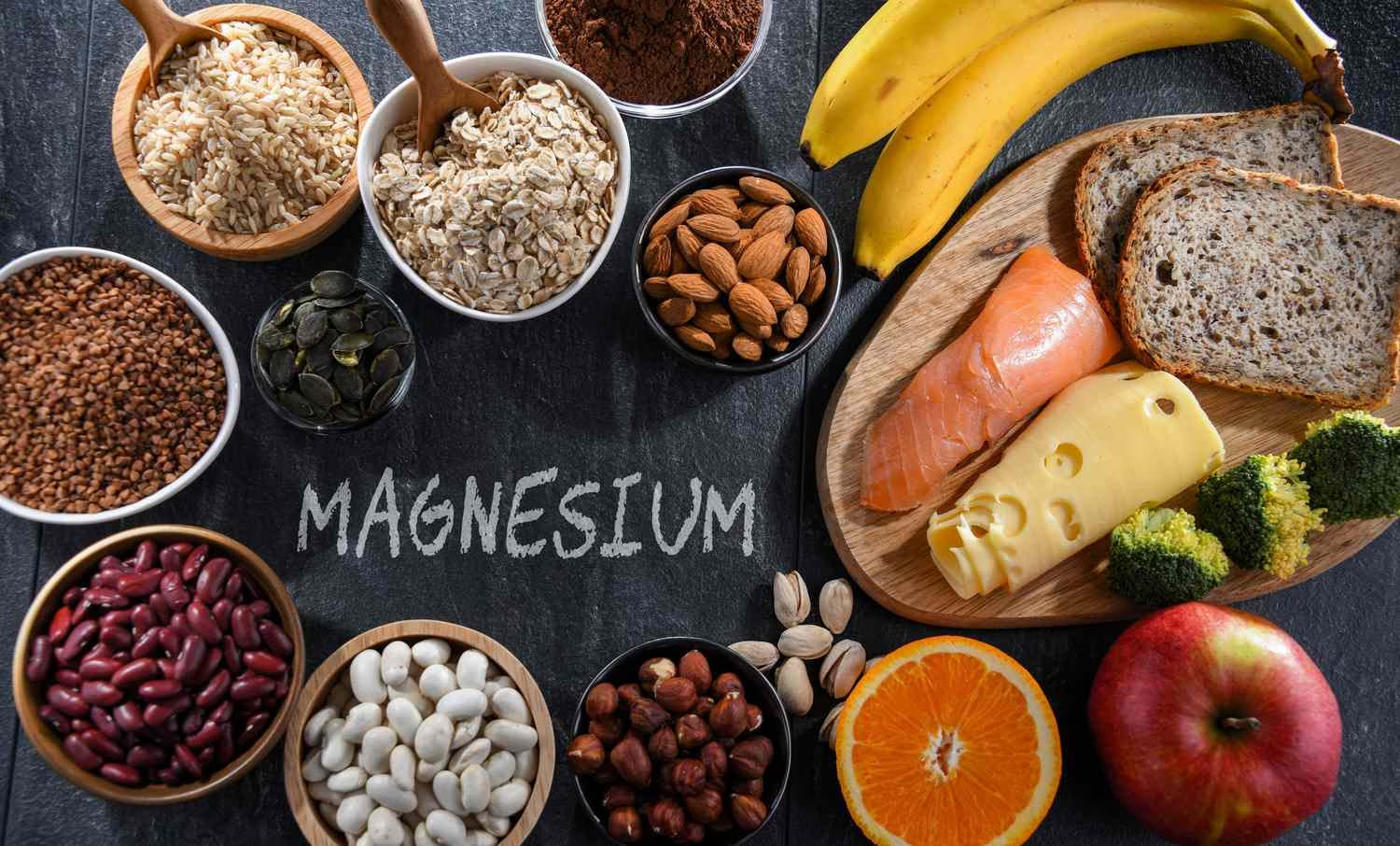
Magnesium has a strong evidence base specifically for premenstrual mood symptoms and cramping. A randomized controlled trial found that 360mg daily during the luteal phase produced significant reductions in anxiety, mood disturbances, and fluid retention compared to placebo.[2]
Magnesium Combined With Vitamin B6
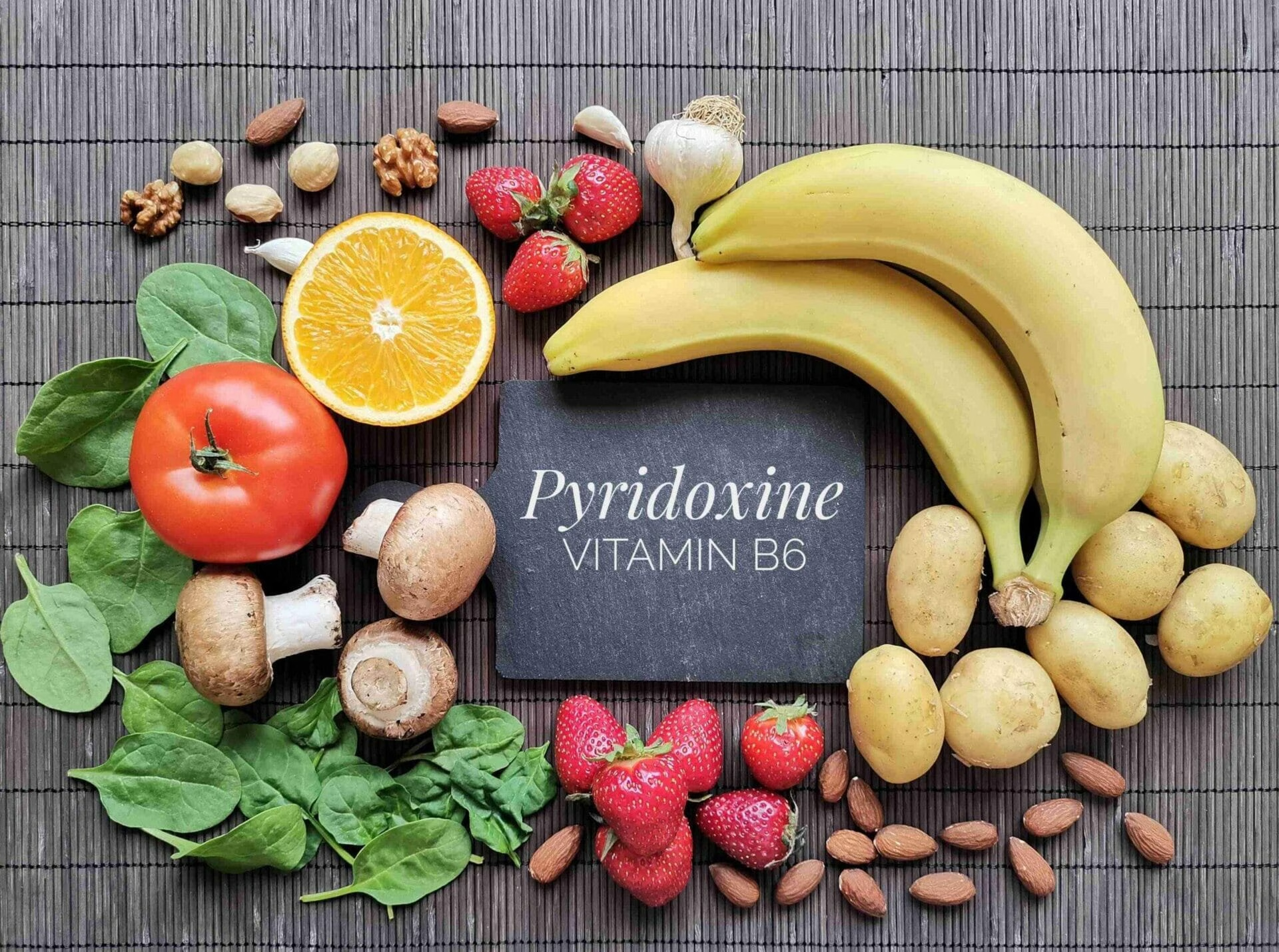
A synergistic effect has been observed when magnesium and B6 are taken together. A randomized double-blind crossover trial found that 200mg magnesium combined with 50mg vitamin B6 daily significantly reduced anxiety-related PMS symptoms, including nervous tension, mood swings, and irritability, more effectively than either supplement alone.[3]
Omega-3 Fatty Acids
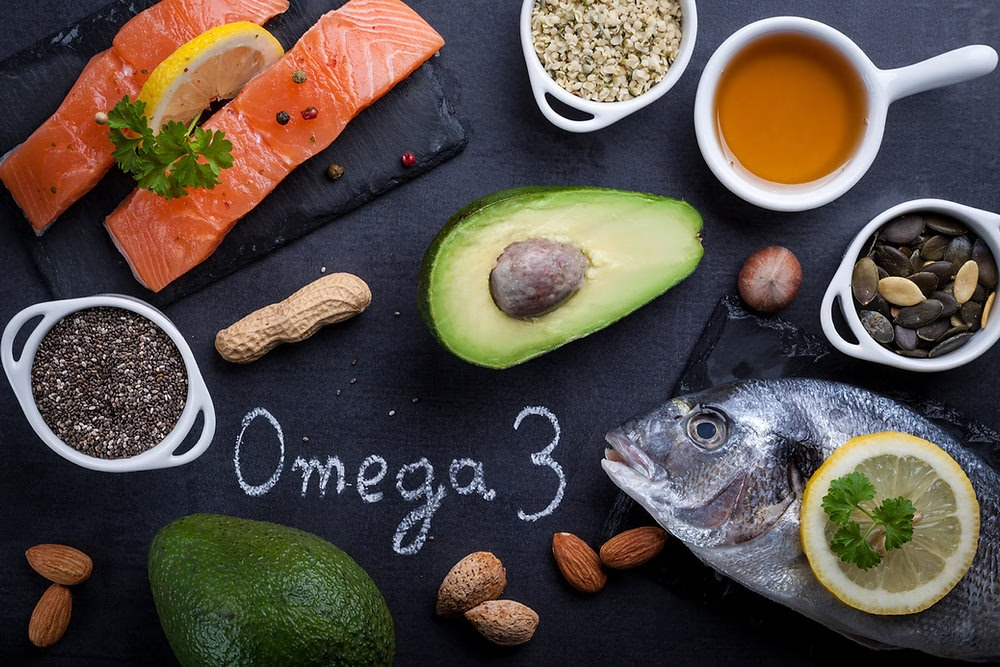
Omega-3 fatty acids reduce the prostaglandin-driven inflammation responsible for the majority of menstrual cramping. None of these are symptom suppressors. They are nutritional inputs that support the hormonal system in producing the balance that makes the luteal phase manageable.
Tracking Your Pattern
Tracking symptoms across two to three full cycles is the starting point for understanding your specific PMS and hormones pattern. The type of symptoms you experience points toward different underlying drivers:
- Primarily mood-based PMS points toward progesterone and serotonin pathways
- Primarily physical symptoms (bloating, cramps, breast tenderness) point toward estrogen dominance and inflammation
- PMS that worsens significantly under stress points directly to cortisol-progesterone competition
Each pattern responds to a somewhat different nutritional approach, which is why personalized support outperforms the generic “women’s formula” category.
Frequently Asked Questions
Is PMS normal or a sign of hormonal imbalance?
PMS is common but not hormonally normal. Significant premenstrual symptoms indicate a relative imbalance between estrogen and progesterone in the luteal phase, often compounded by nutritional deficiencies and chronic stress. Many women experience a dramatic reduction or elimination of PMS symptoms when underlying hormonal and nutritional imbalances are addressed.
What causes PMS symptoms?
The primary driver is luteal phase hormonal imbalance, usually insufficient progesterone relative to estrogen. Contributing factors include:
- Chronic stress, which suppresses progesterone production
- Magnesium and B6 deficiency, both essential for progesterone synthesis and serotonin regulation
- Poor gut health, which impairs estrogen clearance
- Inflammatory dietary patterns, which worsen prostaglandin-driven cramping
What is the difference between PMS and PMDD?
PMS involves physical and mood symptoms in the luteal phase that are disruptive but manageable. PMDD (premenstrual dysphoric disorder) is a more severe condition characterized by significant mood disruption, including depression, anxiety, and emotional dysregulation, that substantially impairs daily functioning. PMDD involves dysregulation of serotonin sensitivity to hormonal fluctuations and often benefits from both targeted supplementation and medical support.
What supplements help with PMS?
The strongest evidence supports magnesium (for mood, cramping, and bloating), vitamin B6 (for progesterone synthesis and serotonin support), Vitex agnus-castus (for luteal phase progesterone normalization), omega-3 fatty acids (for inflammatory cramping), and calcium (which has consistent trial evidence for overall PMS symptom reduction). The right combination depends on your specific symptom pattern.
Can stress cause or worsen PMS?
Yes, directly. Cortisol and progesterone compete for the same hormonal precursor (pregnenolone). Chronic stress consistently diverts this precursor toward cortisol production at the expense of progesterone. This explains why most women notice PMS worsening significantly during high-stress periods, even when diet and lifestyle are otherwise unchanged.
How long does it take for PMS supplements to work?
Most women notice improvement within two to three cycles of consistent supplementation, since the hormonal effects build over successive cycles. Magnesium often produces the fastest results, with mood and cramping improvements sometimes noticeable in the first cycle. Vitex typically requires two to three months to produce its full effect on progesterone normalization.
Mark Wealth’s personalized plans are designed around your specific hormonal pattern and cycle symptoms, not a generic women’s formula. Because your cycle is data, not something to push through. Take the quiz.
References:
- Verhoeven MO, Haasnoot JM, Groen D, et al. Vitex agnus-castus in premenstrual syndrome: a meta-analysis of double-blind randomised controlled trials. Phytomedicine. 2020;67:153135. doi:10.1016/j.phymed.2019.153135
- Facchinetti F, Borella P, Sances G, Fioroni L, Nappi RE, Genazzani AR. Oral magnesium successfully relieves premenstrual mood changes. Obstetrics and Gynecology. 1991;78(2):177–181. PMID:2067759
- De Souza MC, Walker AF, Robinson PA, Bolland K. A synergistic effect of a daily supplement for 1 month of 200 mg magnesium plus 50 mg vitamin B6 for the relief of anxiety-related premenstrual symptoms. Journal of Women's Health & Gender-Based Medicine. 2000;9(2):131–139. doi:10.1089/152460900318623
Was the article useful?
Thank you for your feedback!